
Education and Information
Peridot: August’s Radiant Gem of Sunlight and Stardust
Published: Aug 3, 2026
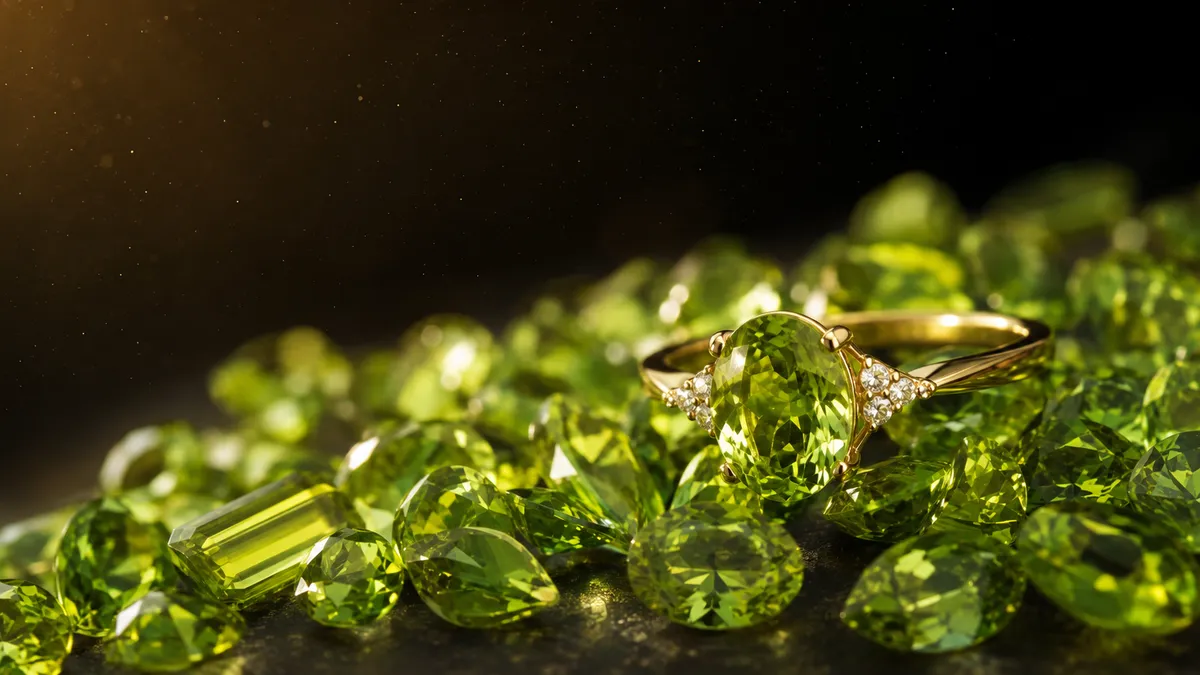
With its fresh green color and lively golden glow, peridot seems to capture the warmth of late summer in a gemstone. It is the best-known modern birthstone for August, sharing the month with spinel and sardonyx. For those born in August—or anyone drawn to nature’s most vibrant colors—peridot offers an extraordinary combination of beauty, history, and romance.
A Gem Born Under Extreme Conditions
Peridot is the transparent gem variety of olivine, a mineral formed deep within the Earth. Its distinctive color ranges from yellowish green to greenish yellow, with rich, pure grass-green stones generally considered the most desirable.
Unlike many gemstones whose colors result from trace impurities, peridot’s green color is part of its essential chemical composition. Iron within the crystal creates its unmistakable hue. According to the Gemological Institute of America, peridot measures approximately 6.5 to 7 on the Mohs hardness scale.
What makes peridot especially fascinating is where it is found. Some crystals form in the Earth’s upper mantle and are carried toward the surface by volcanic activity. Even more remarkably, gem-quality olivine has been discovered inside rare meteorites. Peridot has also been identified in comet dust returned to Earth by NASA’s Stardust spacecraft. Few gemstones can claim a story that stretches from the fiery depths of our planet to the ancient reaches of space.
History, Mystery, and the “Gem of the Sun”
Peridot’s history reaches back thousands of years. Ancient Egyptians mined it on Zabargad, a remote island in the Red Sea, and treasured its luminous green color. They called peridot the “gem of the sun,” believing its radiance could protect the wearer from the dangers of darkness.
Throughout history, peridot was frequently mistaken for emerald. Some historians have suggested that portions of Cleopatra’s celebrated “emerald” collection may actually have been peridot. The Shrine of the Three Kings in Germany’s Cologne Cathedral also contains approximately 200 carats of green gemstones once believed to be emeralds but later recognized as peridot.
The name may come from the Arabic word faridat, meaning “gem.” In ancient and medieval lore, peridot was worn as a protective talisman. It was believed to guard against evil spirits, calm fears, dispel nightmares, and bring peace to its owner. Its sunny color eventually became associated with happiness, renewal, prosperity, and harmony—beautiful sentiments for a birthday or anniversary gift. GIA’s August birthstone guide also recognizes peridot as a traditional anniversary gemstone.
Choosing and Caring for Peridot Jewelry
Fine peridot should display an appealing, evenly distributed green color and good transparency. The gemstone is fashioned into many shapes, including oval, round, cushion, emerald, and pear cuts. Yellow gold emphasizes its warmth, while white gold or sterling silver creates a crisp, contemporary contrast.
Because peridot is softer than sapphire or diamond, it should be protected from hard knocks and scratches. Clean it with warm water, mild dish soap, and a soft brush. Avoid ultrasonic and steam cleaners, sudden temperature changes, and harsh chemicals.
Whether chosen to celebrate an August birthday or simply for its joyful color, peridot is a gemstone filled with wonder. Visit Parkers’ Karat Patch Jewelers in Asheville to explore peridot jewelry and discover a piece that brings a little sunlight—and perhaps even stardust—into your collection.
A Gem Born Under Extreme Conditions
Peridot is the transparent gem variety of olivine, a mineral formed deep within the Earth. Its distinctive color ranges from yellowish green to greenish yellow, with rich, pure grass-green stones generally considered the most desirable.
Unlike many gemstones whose colors result from trace impurities, peridot’s green color is part of its essential chemical composition. Iron within the crystal creates its unmistakable hue. According to the Gemological Institute of America, peridot measures approximately 6.5 to 7 on the Mohs hardness scale.
What makes peridot especially fascinating is where it is found. Some crystals form in the Earth’s upper mantle and are carried toward the surface by volcanic activity. Even more remarkably, gem-quality olivine has been discovered inside rare meteorites. Peridot has also been identified in comet dust returned to Earth by NASA’s Stardust spacecraft. Few gemstones can claim a story that stretches from the fiery depths of our planet to the ancient reaches of space.
History, Mystery, and the “Gem of the Sun”
Peridot’s history reaches back thousands of years. Ancient Egyptians mined it on Zabargad, a remote island in the Red Sea, and treasured its luminous green color. They called peridot the “gem of the sun,” believing its radiance could protect the wearer from the dangers of darkness.
Throughout history, peridot was frequently mistaken for emerald. Some historians have suggested that portions of Cleopatra’s celebrated “emerald” collection may actually have been peridot. The Shrine of the Three Kings in Germany’s Cologne Cathedral also contains approximately 200 carats of green gemstones once believed to be emeralds but later recognized as peridot.
The name may come from the Arabic word faridat, meaning “gem.” In ancient and medieval lore, peridot was worn as a protective talisman. It was believed to guard against evil spirits, calm fears, dispel nightmares, and bring peace to its owner. Its sunny color eventually became associated with happiness, renewal, prosperity, and harmony—beautiful sentiments for a birthday or anniversary gift. GIA’s August birthstone guide also recognizes peridot as a traditional anniversary gemstone.
Choosing and Caring for Peridot Jewelry
Fine peridot should display an appealing, evenly distributed green color and good transparency. The gemstone is fashioned into many shapes, including oval, round, cushion, emerald, and pear cuts. Yellow gold emphasizes its warmth, while white gold or sterling silver creates a crisp, contemporary contrast.
Because peridot is softer than sapphire or diamond, it should be protected from hard knocks and scratches. Clean it with warm water, mild dish soap, and a soft brush. Avoid ultrasonic and steam cleaners, sudden temperature changes, and harsh chemicals.
Whether chosen to celebrate an August birthday or simply for its joyful color, peridot is a gemstone filled with wonder. Visit Parkers’ Karat Patch Jewelers in Asheville to explore peridot jewelry and discover a piece that brings a little sunlight—and perhaps even stardust—into your collection.